
St Mary's Church, Hertingfordbury
St Mary's Lane, Hertingfordbury SG14 2LD
Nature in the churchyard
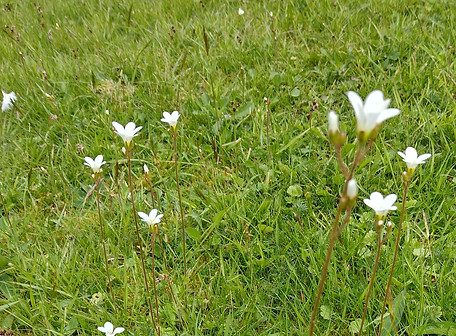
Meadow saxifrage (saxifragata granulata)
Look out for this spring flower in the wildflower patch next to the main path. Traditionally found in hay meadows, it is a declining species in the UK.


English Yew (taxus baccata)
St Mary's has many yew trees, the quintessential tree of the English churchyard. Their link with sacred sites pre-dates Christianity. They are considered to symbolise everlasting life and rebirth because of their longevity and ability to regenerate.
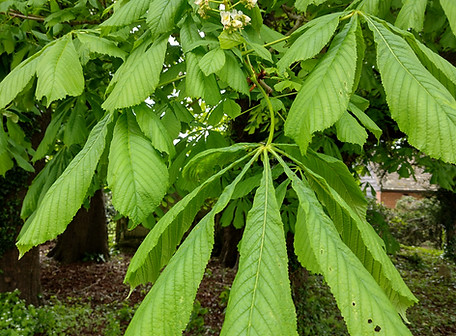
Horse chestnut tree (aesculus hippocastanum)
Look out for conkers in the Autumn! This tree's pinky white flowers provide nectar and pollen for bees in the Spring and its leaves are food for the caterpillars of the Triangle Moth.

Green alkanet (pentaglossis)
From the Borage family, historically, the roots of Green Alkanet were used to make a red dye. Its nectar rich flowers are attractive to bees, hoverflies and butterflies and its leaves are food for the larvae of the scarlet tiger moth.
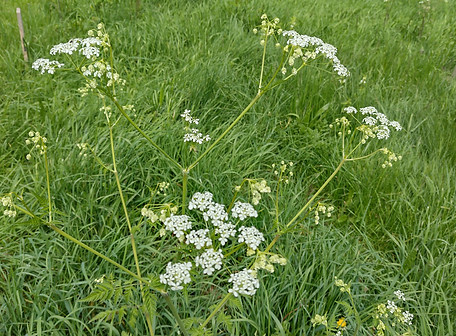
Cow parsley (anthriscus sylvestris)
Also known as Queen Anne's lace, this wildflower is very popular with pollinators such as bees and hoverflies, as an early source of pollen.
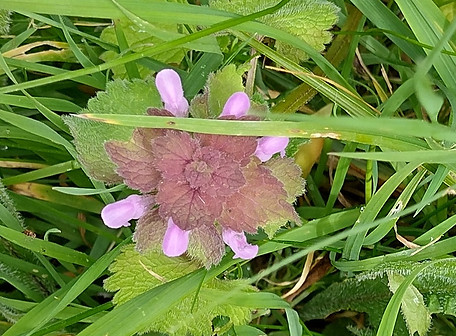
Purple deadnettle (lamium purpureum)
This pretty dead nettle does not sting and was traditionally used for medicine. As it flowers all year long, it is an important food source for wild bees which are active in Autumn, Winter and early Spring.

Wych elm (ulmus glabra)
One of the few native British trees, the Wych Elm provides food for birds who eat its seeds and the leaves are a source of nutrition for the caterpillars of many moths including the white spotted pinion.

Rough hawkbit (leontodon hispidus)
Hawkbit is a beautiful meadow flower, beloved of bees for its sweet nectar. Goldfinches and other birds love its seeds too
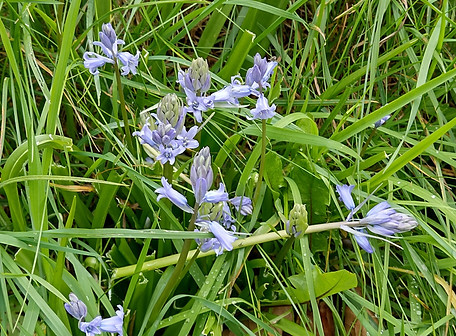
Bluebell (hyacintha non-scripta)
If you're lucky, you may spot a few bluebells in the churchyard! Bluebells are visited by a range of insects, but mainly pollinated by bumble bees.